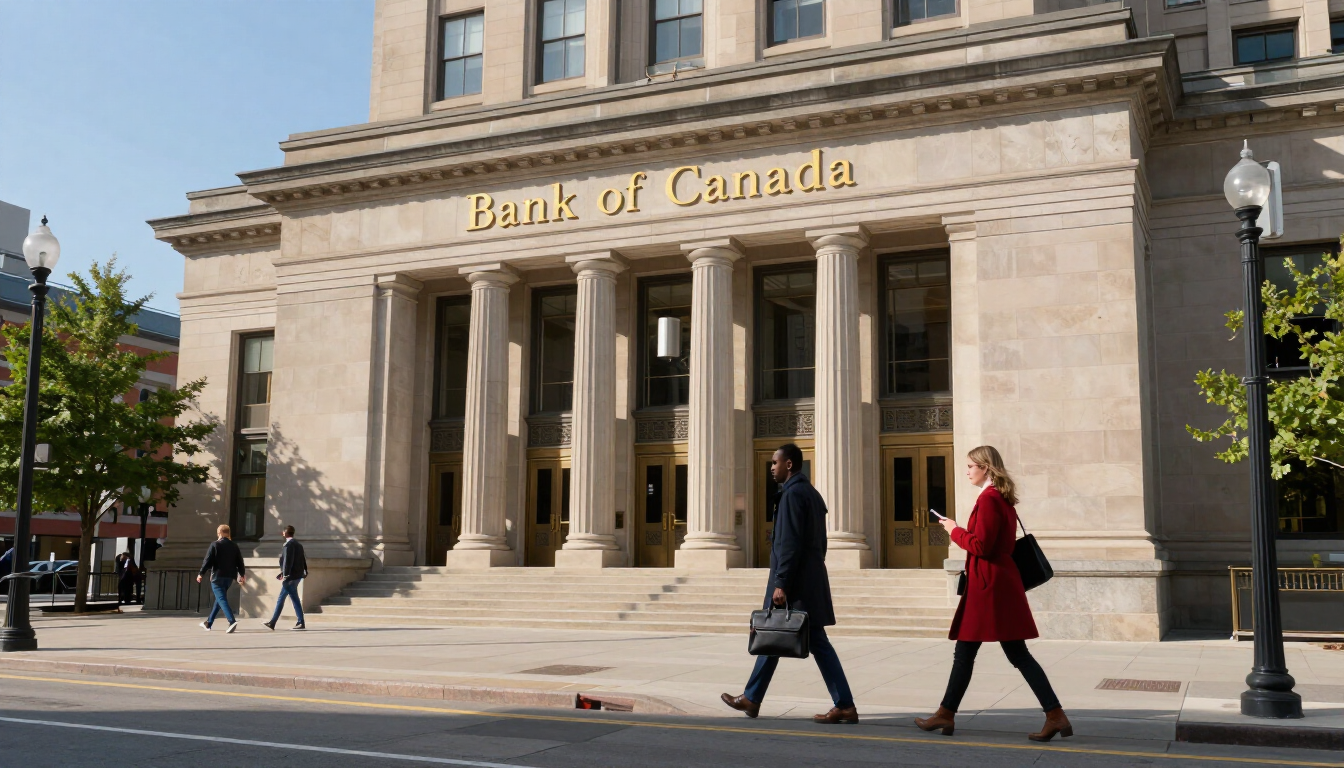
Bank of Canada Holds Rate at 2.25% — June 10, 2026

Cari McClelland • June 10, 2026

The Bank of Canada announced today that it is maintaining its target for the overnight rate at 2.25%, with the Bank Rate at 2.5% and the deposit rate at 2.20%. For Canadian homeowners, buyers, and anyone with a mortgage on the horizon — here's what you need to know.

What the Bank of Canada Said

The Global Picture

The conflict in the Middle East is now in its fourth month. Higher energy prices and disruptions to global supply chains continue to weigh on economic growth worldwide and push inflation higher. At the same time, U.S. trade policy uncertainty remains elevated, with new tariff proposals continuing to create uncertainty for Canadian businesses and exporters.

In the U.S., economic growth remains solid, supported by consumer spending and AI-related investment. In the euro area, growth is subdued. China continues to benefit from strong exports. Canadian financial conditions have loosened somewhat since the April Monetary Policy Report — global equity markets have been buoyant, though bond yields remain volatile. The Canadian dollar has weakened against the U.S. dollar and other currencies.

The Canadian Economy

Canada's GDP edged down by 0.1% in the first quarter — weaker than the Bank had expected. Consumer spending grew 1.4%, but government spending unexpectedly declined. Housing activity also fell, business investment remained weak, exports dropped, and imports rose strongly as inventories were rebuilt.

On the jobs front, employment was up in May — but looking past monthly swings, employment in Canada has been little changed since the start of the year. The unemployment rate continues to hover in the 6.5%–7% range, with the most recent reading at 6.6% in May.

The good news: the Bank expects growth to resume in the second quarter. But even with a rebound, the economy is expected to remain in excess supply for the near term.

Inflation

CPI inflation rose to 2.8% in April, as expected. The increase reflects higher energy prices and the impact of the consumer carbon tax elimination falling out of the 12-month calculation. Importantly, there has been limited evidence so far of that energy price increase spreading broadly into other consumer prices.

Core inflation measures have moved down to around 2%, and the share of CPI components growing above 3% is now close to its historical average — both positive signs. Food price inflation moderated but remains high. Shelter inflation continued to slow.

With global oil prices still roughly $10 per barrel above the Bank's April assumptions, total inflation is expected to hover around 3% in the near term before gradually easing back toward 2%.

Why the Bank Held

The Bank's Governing Council chose to hold at 2.25%, citing weak economic activity in Canada, persistent U.S. trade policy uncertainty, and the ongoing conflict in the Middle East. The Bank is continuing to "look through" the war's near-term impact on headline inflation — but has made clear it will not allow higher energy prices to become persistent inflation. The Bank stands ready to respond as the outlook evolves.

What This Means for Mortgage Holders and Buyers

A rate hold means no immediate change to variable-rate mortgage payments or home equity lines of credit (HELOCs) tied to the prime rate. The prime rate remains at 4.45%.

The broader message from today's decision is one of patience and watchfulness. Canada's economy is soft, inflation is being driven largely by energy prices rather than broad demand, and the Bank is in a careful holding pattern. This environment doesn't signal imminent rate hikes — but it also doesn't yet open the door to cuts.

For anyone renewing a mortgage, considering a purchase, or weighing fixed vs. variable options, the decisions you make over the next few months matter. A thoughtful conversation with your mortgage professional now can make a real difference.

The next scheduled rate announcement is July 15, 2026 .

As always, every borrower's situation is unique. If you have questions about how today's decision affects your mortgage — reach out. I'm here to help you make sense of it.

Information sourced from the Bank of Canada's official press release dated June 10, 2026.

Cari McClelland
GET STARTED
By Cari McClelland June 3, 2026
Going Through a Separation? Here’s What You Need to Know About Your Mortgage Separation or divorce can be one of life’s most stressful transitions—and when real estate is involved, the financial side of things can get complicated fast. If you and your partner own a home together, figuring out what happens next with your mortgage is a critical step in moving forward. Here’s what you need to know: You’re Still Responsible for Mortgage Payments Even if your relationship changes, your obligation to your mortgage lender doesn’t. If your name is on the mortgage, you’re fully responsible for making sure payments continue. Missed payments can lead to penalties, damage your credit, or even put your home at risk of foreclosure. If you relied on your partner to handle payments during the relationship, now is the time to take a proactive role. Contact your lender directly to confirm everything is on track. Breaking or Changing Your Mortgage Comes With Costs Dividing your finances might mean refinancing, removing someone from the title, or selling the home. All of these options come with potential legal fees, appraisal costs, and mortgage penalties—especially if you’re mid-term with a fixed-rate mortgage. Before making any decisions, speak with your lender to get a clear picture of the potential costs. This info can be helpful when finalizing your separation agreement. Legal Status Affects Financing If you're applying for a new mortgage after a separation, lenders will want to see official documentation—like a signed separation agreement or divorce decree. These documents help the lender assess any ongoing financial obligations like child or spousal support, which may impact your ability to qualify. No paperwork yet? Expect delays and added scrutiny in the mortgage process until everything is finalized. Qualifying on One Income Can Be Tougher Many couples qualify for mortgages based on combined income. After a separation, your borrowing power may decrease if you're now applying solo. This can affect your ability to buy a new home or stay in the one you currently own. A mortgage professional can help you reassess your financial picture and identify options that make sense for your situation—whether that means buying on your own, co-signing with a family member, or exploring government programs. Buying Out Your Partner? You May Have Extra Flexibility In cases where one person wants to stay in the home, lenders may offer special flexibility. Unlike traditional refinancing, which typically caps borrowing at 80% of the home’s value, a “spousal buyout” may allow you to access up to 95%—making it easier to compensate your former partner and retain the home. This option is especially useful for families looking to minimize disruption for children or maintain community ties. You Don’t Have to Figure It Out Alone Separation is never simple—but with the right support, you can move forward with clarity and confidence. Whether you’re keeping the home, selling, or starting fresh, working with a mortgage professional can help you understand your options and create a strategy that aligns with your new goals. Let’s talk through your situation and explore the best path forward. I’m here to help.
By Cari McClelland May 27, 2026
What Is a Second Mortgage, Really? (It’s Not What Most People Think) If you’ve heard the term “second mortgage” and assumed it refers to the next mortgage you take out after your first one ends, you’re not alone. It’s a common misconception—but the reality is a bit different. A second mortgage isn’t about the order of mortgages over time. It’s actually about the number of loans secured against a single property —at the same time. So, What Exactly Is a Second Mortgage? When you first buy a home, your mortgage is registered on the property in first position . This simply means your lender has the primary legal claim to your property if you ever sell it or default. A second mortgage is another loan that’s added on top of your existing mortgage. It’s registered in second position , meaning the lender only gets paid out after the first mortgage is settled. If you sell your home, any proceeds go toward paying off the first mortgage first, then the second one, and any remaining equity is yours. It’s important to note: You still keep your original mortgage and keep making payments on it —the second mortgage is an entirely separate agreement layered on top. Why Would Anyone Take Out a Second Mortgage? There are a few good reasons homeowners choose this route: You want to tap into your home equity without refinancing your existing mortgage. Your current mortgage has great terms (like a low interest rate), and breaking it would trigger hefty penalties. You need access to funds quickly , and a second mortgage is faster and more flexible than refinancing. One common use? Debt consolidation . If you’re juggling high-interest credit card or personal loan debt, a second mortgage can help reduce your overall interest costs and improve monthly cash flow. Is a Second Mortgage Right for You? A second mortgage can be a smart solution in the right situation—but it’s not always the best move. It depends on your current mortgage terms, your equity, and your financial goals. If you’re curious about how a second mortgage could work for your situation—or if you’re considering your options to improve cash flow or access equity—let’s talk. I’d be happy to walk you through it and help you explore the right path forward. Reach out anytime—we’ll figure it out together.